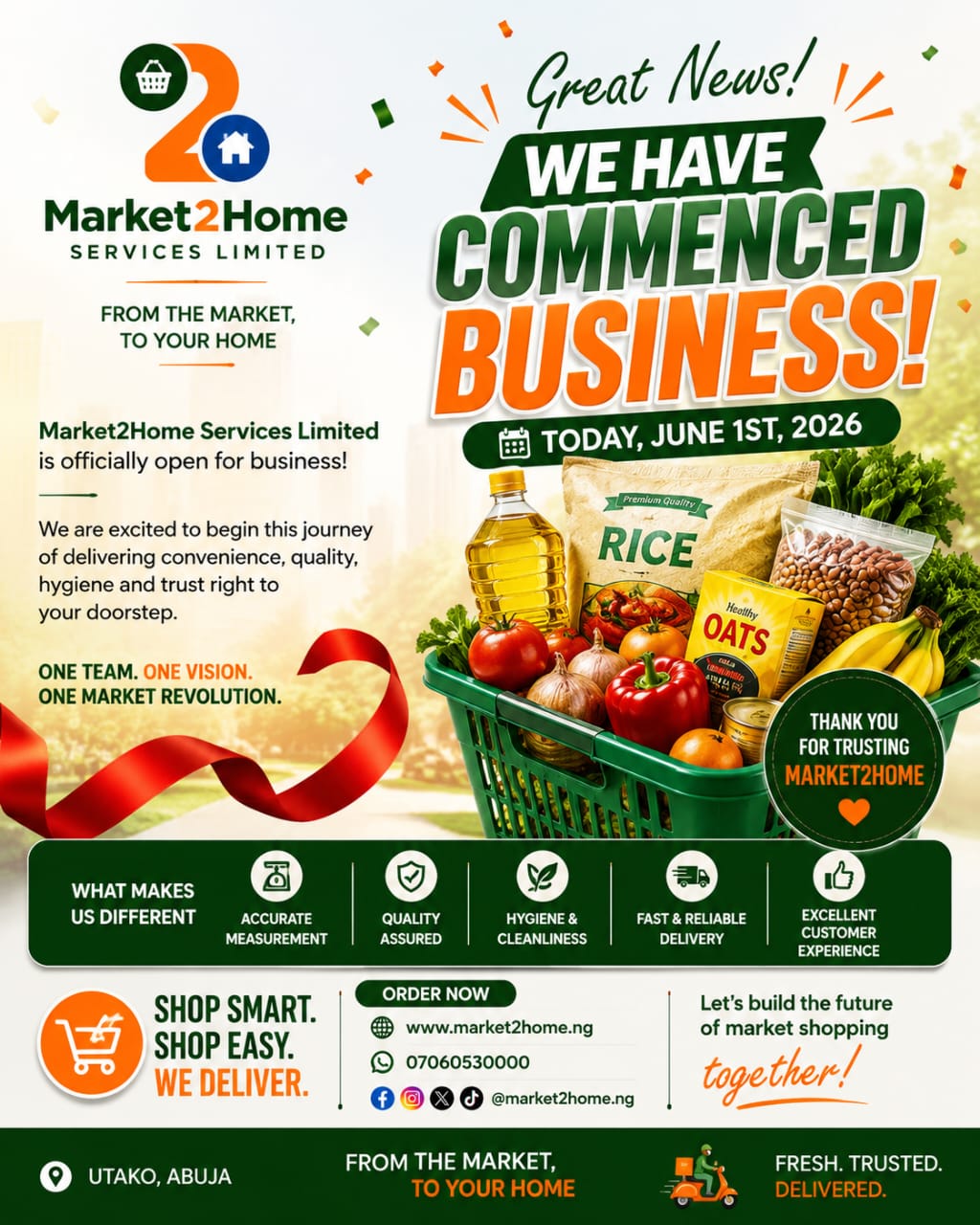

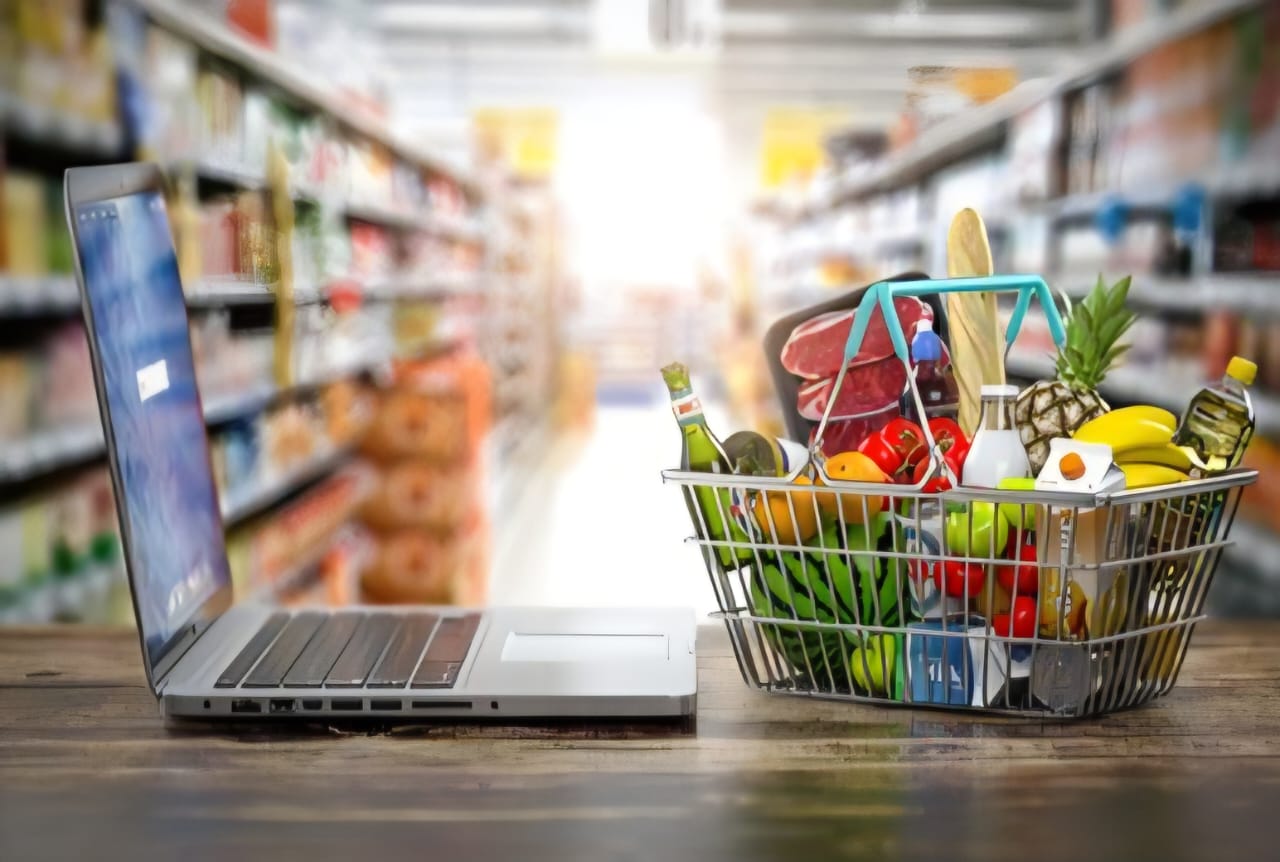
In today’s fast-paced world, convenience is no longer a luxury, it is a necessity. Across major cities globally, digital platforms have transformed how people access essential goods, particularly food and household items. Nigeria, and especially urban centers like Abuja, stands at a critical point where adopting web-based ordering systems for fresh food and household supplies is not just beneficial, but necessary.
The Changing Urban Reality
Abuja continues to grow rapidly, with an increasing population of working professionals, entrepreneurs, and families managing demanding daily schedules. Long working hours, traffic congestion, and limited time have made traditional market visits more stressful than ever.
For many households, what should be a simple weekly activity ( buying food) has become time-consuming, physically demanding, and inefficient. This growing gap between lifestyle demands and traditional systems creates a clear need for innovation.
Bridging the Gap with Technology
Web-based platforms for ordering fresh food and household items provide a seamless solution. By connecting consumers directly with markets and suppliers through digital interfaces, these platforms eliminate unnecessary stress while improving efficiency.
Such systems allow individuals to:
👉Browse available products from their phones or computers
👉Make informed purchasing decisions with transparent pricing
👉Receive goods at their doorstep without disruption to their daily routines
👉This is not just convenience, it is a fundamental upgrade to how urban living functions.
Benefits to Citizens
1. Time Efficiency
Digital ordering platforms save valuable hours that would otherwise be spent navigating markets, dealing with traffic, and negotiating prices.
2. Improved Quality and Hygiene
Structured systems ensure that food items are selected, sorted, and handled with better quality control compared to the traditional open-market experience.
3. Price Transparency
Consumers gain clearer visibility into pricing, reducing exploitation and inconsistency often experienced in physical markets.
4. Enhanced Lifestyle
Families can focus more on work, rest, and personal well-being rather than the stress of sourcing daily essentials.
Benefits to the Nation
1. Economic Structuring and Formalization*
Digital platforms help organize the largely informal food market sector, bringing structure, data, and accountability into the system.
2. Job Creation
From logistics and technology to supply chain management, these platforms create new employment opportunities for thousands of Nigerians.
3. Reduction in Food Waste
With better demand tracking and supply coordination, food wastage can be significantly reduced — a major issue in Nigeria’s agricultural value chain.
4. Support for Local Producers
Farmers and market vendors gain wider access to consumers, improving their income and reducing dependence on middlemen.
5. Digital Economy Growth
Encouraging online commerce for essential goods strengthens Nigeria’s digital economy and aligns the country with global trends.
A Necessary Shift
The future of food supply in Nigeria cannot remain tied solely to traditional systems. While markets will always play a vital role, integrating them into digital platforms is the logical next step.
This shift is not about replacing markets, it is about enhancing them. It is about creating a system where technology supports accessibility, efficiency, and trust.
Conclusion
Nigeria has the population, the demand, and the technological potential to build a modern, efficient system for food and household supply. What is required now is the willingness to embrace change and invest in solutions that improve everyday life.
As cities like Abuja continue to expand, the question is no longer whether digital food supply platforms are needed, but how quickly they can be adopted to meet the growing demands of the people.